Part of Temporal Constructs Main Text, which states the research questions, the proposals, the work done and what is still open.
General definition
A method is the procedure by which a research project produces its knowledge and records what it did. A method is stated in advance, so that another researcher can follow it and check the result. What makes a result repeatable is the method, and not the talent of the person who obtained it.
Relation to the practice
This doctorate follows the discipline of artistic research and the approach of practice-based research, and it carries that approach out as research through design. The section holds the fields the practice draws on, among them Music technology, Media archaeology and Computational creativity, the strands of the work, among them Language recovery and Oral history, and the records that make the work checkable, the Decision log, the Session record and the Living archive.
Carried out as research through design.
Artistic research
The professional doctorate sits within the discipline of artistic research and follows a practice-based approach, which it carries out as research through design.
Five fields, from music technology to computational creativity.
Fields of the work
The work draws on the fields of music technology and composition, on media art and media archaeology, and on computational creativity.
Four strands, the fourth testing transferability.
Work strands
The work runs in four strands: making the works, language recovery, oral history, and a fourth strand that tests transferability with other practitioners.
The session record, method articulation, the living archive.
Decision log
A decision log notes how the practice shares decisions, and the Session record describes how the working sessions are recorded. The practice makes the method explicit through method articulation, and what it produces over the trajectory accumulates in a living archive.
Haarlem conservatory, 4 March 2026, a masterclass as evidence.
Teaching
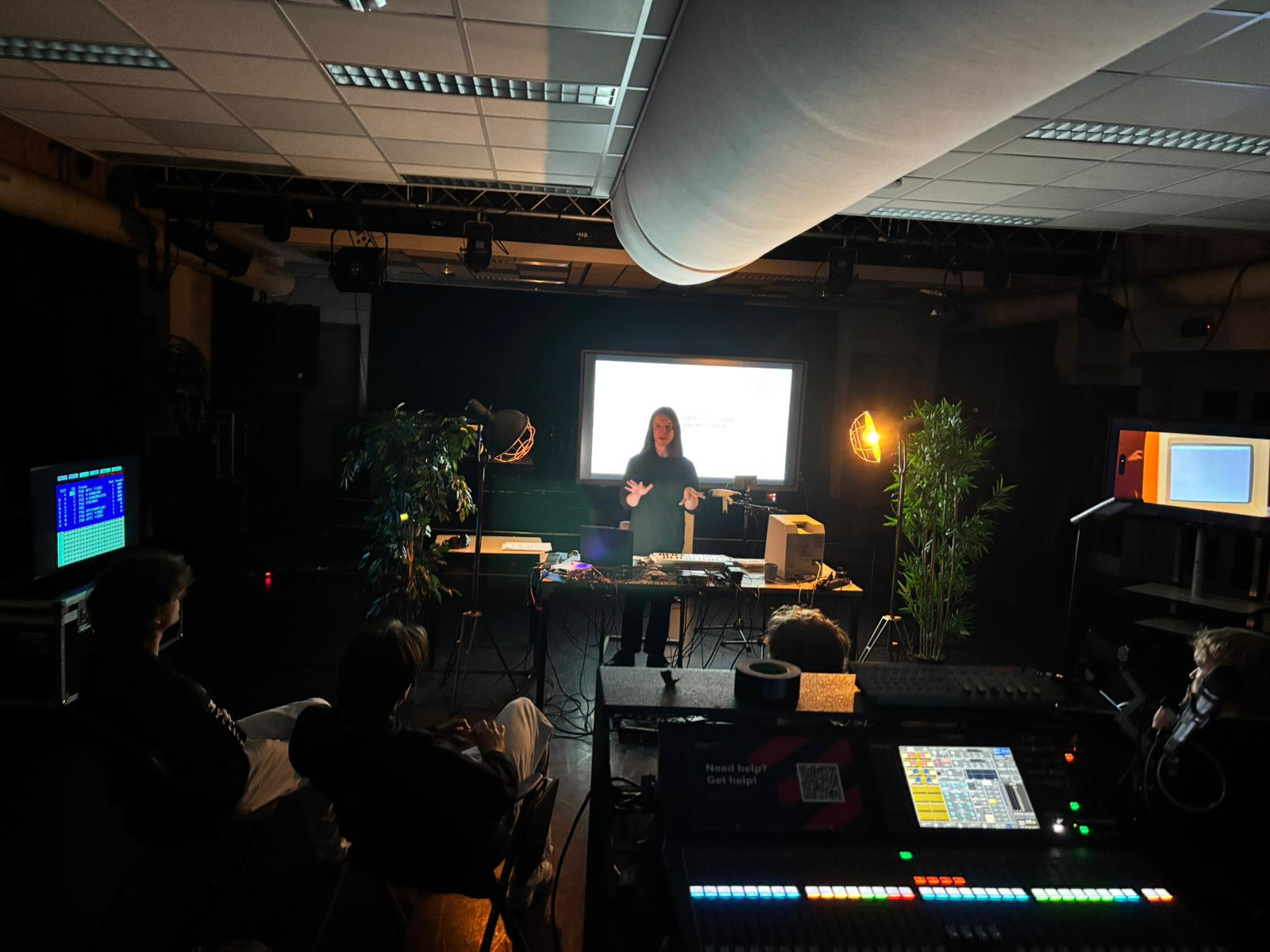
The research is communicated and also taught, and a masterclass is treated as a site of evidence: In Conversation with Your Instrument took place at the conservatory in Haarlem on 4 March 2026, where the practice’s account of instruments was presented to students, who then played the system themselves.
One symposium, three public appearances.
Dissemination
The research is shown to the public, and its results are also published. The Symposium, planned for next year, gathers that exchange as one event: the practice demonstrates the works there, presents the frameworks to the institutions that may use them, and brings the makers of the present together with the pioneers of the period. The dissemination also reaches audiences outside the programme.
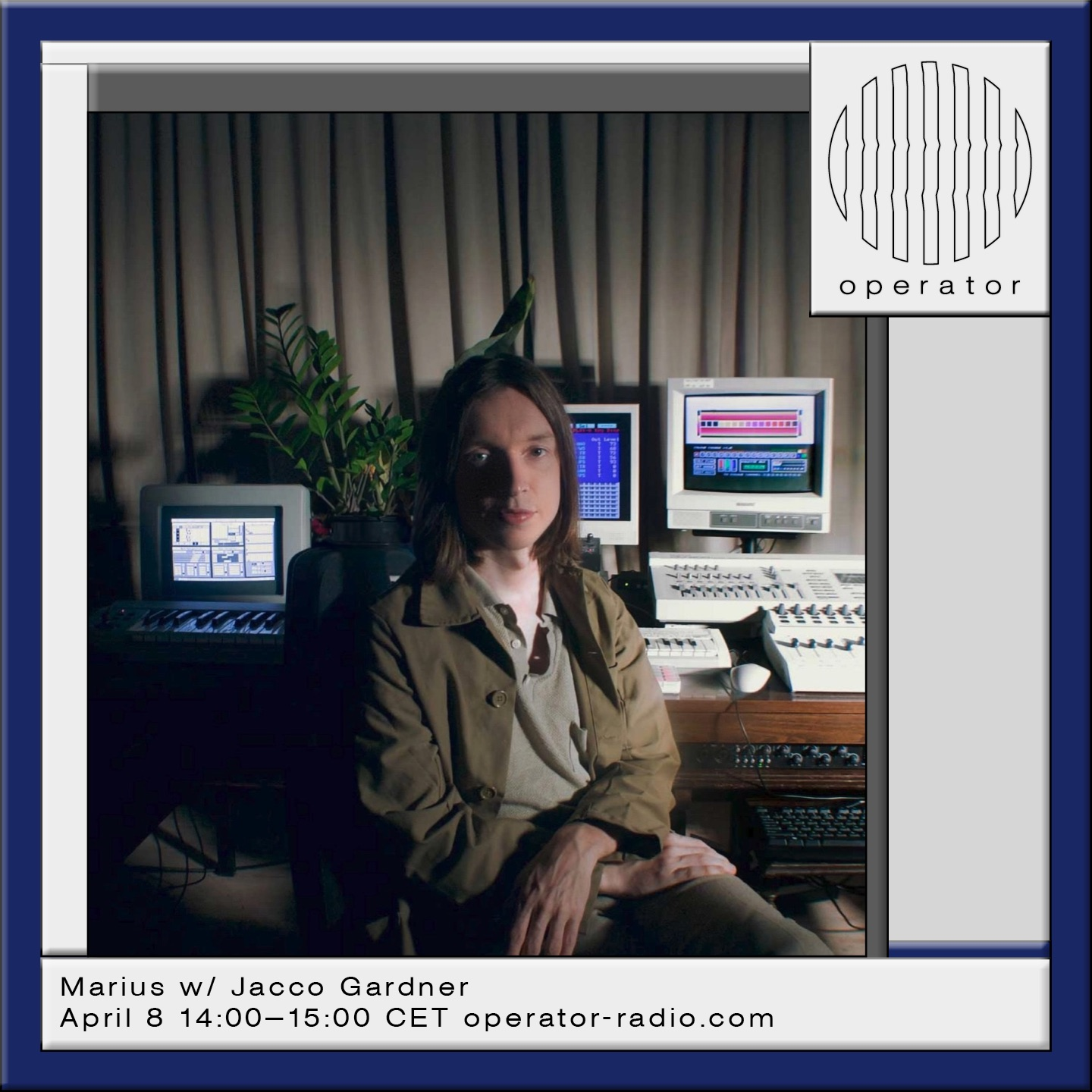
One such case is the conversation with Marius de Witte on the radio station Operator Radio in Rotterdam in April 2026, the Operator Radio conversation, in which the lineage of human-machine creativity was discussed for a public audience. The research is also presented to maker and design communities, as at Makers Meet & Eat 2026 in Utrecht in September 2026, where the audience was practitioners from other disciplines, and in December it is presented at the sector’s own gathering for music makers. That panel on artists and AI is at No Man's Land 2026 in Utrecht, where the partner is the union for working artists.
Added as the research runs.
Unforeseen
Here the unforeseen situations, sometimes difficult, sometimes unexpectedly interesting, will be described as the project runs. Many of these unforeseen situations have already occurred and have been recorded. They will be added in the time to come.